Seedlings on a Windowsill or Outdoors: Choosing a Start
Seedlings on a windowsill or outdoors: choose a starting method that fits your plants, available space, local timing, and the attention you can give.
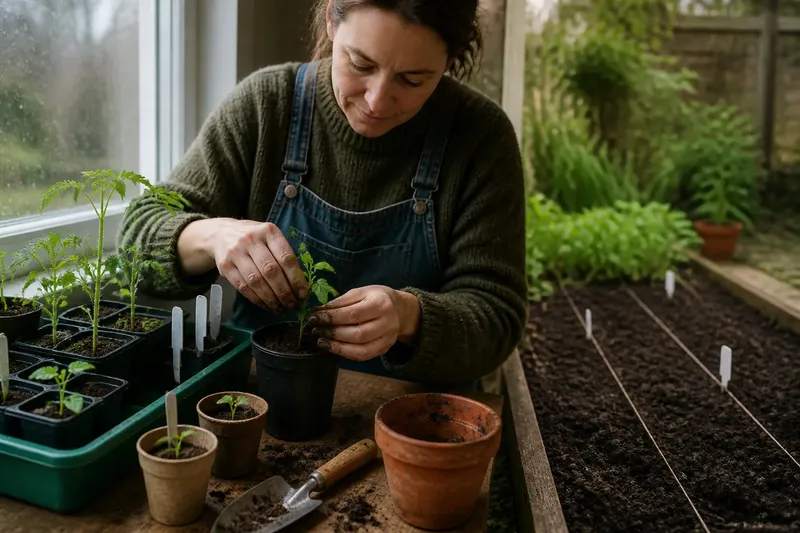
The common mistake with seedlings on a windowsill or outdoors is choosing a method before checking what the plant needs. That can cost a gardener room, time, and a batch of seeds that might have done better in the ground. A sunny window is not automatically a nursery, and direct sowing is not a shortcut for every crop. Match the start to the plant and the conditions you can actually provide.
Begin with the plant, not the tray
Seeds differ in how they handle disturbance, cold, and a long wait indoors. Lettuce, beans, squash, carrots, and tomatoes do not all ask for the same start. The packet’s sowing guidance is a useful first filter: look for whether it recommends sowing outdoors, starting indoors, or either option, then compare that advice with your climate and growing space.
Some plants resent having their roots moved. Carrots and other root crops are commonly sown where they will mature, because transplanting can bend or interrupt the root. Beans and peas also tend to be straightforward direct-sown crops when the soil and season suit them. Other plants, including many tomatoes and peppers, are often started indoors where a short outdoor growing season leaves little time for seeds to sprout and mature.
“Start indoors” does not mean “start as early as possible.” A seedling kept indoors too long can become leggy or crowded before the weather is ready. Use the seed packet’s timing guidance, local frost information, and the crop’s stated transplant preference to decide when to sow. If the directions conflict with your conditions, local extension guidance can help translate them to your area.
Choose direct sowing when the bed is the better nursery
Sowing outdoors suits gardeners who have a prepared bed or container, a crop that tolerates being sown in place, and a suitable window of weather. It avoids moving young roots and skips the need to care for a cluster of pots indoors. For broad beans, peas, many beans, and root crops, that simplicity can be a real advantage.
It also asks you to accept the garden’s conditions. Soil may be too cold, too wet, or too dry for a particular seed. Birds, slugs, and heavy rain can disturb a newly sown patch; weeds may emerge beside the crop and make tiny seedlings harder to recognize. Direct sowing is a poor fit if you cannot check the bed while seeds are emerging or keep its surface from drying out.
Before sowing, clear the bed of competing growth and loosen only as much soil as the crop’s instructions call for. Sow at the stated depth and spacing, then water gently so seeds stay in place. Mark the row with a plant label or a simple diagram. Fine seeds can disappear against bare soil, and a marker helps distinguish an intended row from an accidental weed patch.
For a container, check that it has drainage and enough depth for the crop. A shallow pot might suit quick-growing salad leaves but not a crop that needs room for a long root. Keep an eye on moisture: pots can dry faster than garden beds, while a container with poor drainage can leave seeds sitting in soggy mix. Choose the container for the mature plant, not just the seedling’s first leaves.
Choose indoor starting when time or weather is tight
Starting indoors can give warmth-loving crops a head start before outdoor conditions suit them. It is especially useful where the season is short or spring weather is unreliable. Tomatoes, peppers, and some flowers are common candidates, but the right choice depends on the variety, local climate, and instructions on the seed packet.
Indoor starting works only if the seedlings have a place to grow after germination. A bright window may look inviting, but light through glass can be weak or uneven. Seedlings often lean toward the pane and stretch when they cannot get enough light. A grow light can help, set and used according to its manufacturer’s directions. Rotate containers when light comes from one side, and leave room for leaves to spread rather than packing pots shoulder to shoulder.
Think of a windowsill as a small workbench, not a magical greenhouse: its space and light are limited, and every pot takes a place. Use clean seed-starting mix and containers with drainage holes. Ordinary garden soil can be heavy in small pots and may not provide the loose, consistent texture that young roots need. Label each container with the crop and sowing date so look-alike sprouts do not become a guessing game.
Indoor seedlings need regular attention. The mix should stay appropriately moist, not waterlogged. A spray bottle can wet the surface gently while seeds are tiny; as plants grow, watering from below or using a small watering can with a fine spout may help avoid flattening them. Empty standing water from trays. If seedlings become crowded, thin or pot them on as the crop requires, rather than letting stems compete for light and room.
Let your available space make part of the decision
Limited indoor space is a good reason to direct-sow crops that tolerate it. A gardener with one sunny sill might reserve it for a few heat-loving plants and sow peas, beans, or carrots outdoors when conditions allow. The point is not to start everything in the same place; it is to spend scarce indoor light on plants that benefit most from it.
If outdoor beds are limited but you have a bright indoor growing area, starting seedlings in small containers can help you make efficient use of the bed once it is ready. That does not mean raising a large collection of plants. Count the places you can actually plant, then start only what has a destination. A tray of extra seedlings still needs light and care, even if there is nowhere to put them.
Balconies, patios, and rented plots call for a similar check. A pot can be both nursery and final home for crops that suit container life, while others need more depth or room than the available vessel can offer. If you plan to transplant, consider whether you can carry the pots outside and protect them from abrupt weather changes. If not, direct-sowing an appropriate crop into its final container may be simpler.
Use timing to decide when each start makes sense
Outdoor sowing depends on more than the calendar. Soil temperature, recent weather, and the crop’s tolerance for cool conditions all matter. A cold, waterlogged bed can delay germination or harm seeds that prefer warmth. Check local frost dates as a guide, but also look at the soil and the specific planting advice for the crop.
Indoor sowing has its own timing trap: beginning too early. A seedling may outgrow its pot before it can safely move outside. When you read a packet’s indoor-starting guidance, note the suggested lead time relative to outdoor planting, and make sure you can provide enough light and container space for that interval.
Transplants also need an adjustment period before they face outdoor sun, wind, and temperature swings. Gradually expose them to outdoor conditions over several days, bringing them back in when conditions call for it. This acclimation, often called hardening off, reduces the shock of a sudden move. Follow crop-specific advice, especially for tender plants and unsettled weather.
Which start fits your situation?
What should I sow directly outdoors?
Direct-sow crops that dislike root disturbance or establish readily in place, such as carrots and many beans, when the soil and season suit them. Check the seed packet for sowing depth, spacing, and temperature guidance, then keep the row marked and appropriately moist as seedlings emerge.
Which seeds are better started indoors?
Indoor starting often suits warmth-loving crops that need more growing time than your outdoor season readily provides, including many tomatoes and peppers. It is most useful when you can offer adequate light, room for growing roots, and a realistic plan for moving seedlings outside at the right time.
Can I start seeds indoors without a sunny window?
You can use a grow light if you can position and operate it according to its instructions and give seedlings room beneath it. Without enough light, indoor seedlings may stretch and weaken, so direct sowing or buying suitable transplants may be a better fit than crowding pots in a dim room.
Can a seed be started either way?
Some crops can be sown directly or raised indoors, but the better choice depends on the variety, your climate, and whether it handles transplanting well. Compare the packet’s advice with your available space and planting window; where the right answer depends on a label, manufacturer instructions, or local rules, follow those directions or ask a local gardening professional.
Make a small plan before sowing
Say you have a narrow bed, a cool spring, and room for only a few pots on a bright sill. You could reserve those pots for tomato seedlings, whose indoor start may help them reach the bed when warm conditions arrive, and sow carrots in place once the soil is workable. The expected result is a bed that holds a crop suited to direct sowing and a small indoor group with a clear planting destination, rather than a crowded tray of plants competing for light.
For your own garden, jot down each crop, its preferred start, and where it will grow. Then check these practical details before opening the seed packets:
- Crop preference: Does the packet advise direct sowing, indoor starting, or either? Choose that route unless your local growing conditions call for different guidance.
- Root disturbance: Does the crop transplant readily? If it is prone to root disruption, favor sowing it where it will mature.
- Indoor light: Can you provide suitable light after germination? If not, reserve indoor space for another crop or sow outdoors when conditions suit.
- Outdoor readiness: Is the soil and weather appropriate for this seed? If the bed is cold or saturated, wait for a suitable window rather than sowing by the calendar alone.
- Room to finish: Is there a final bed or container for every seedling you raise? If not, sow fewer seeds or choose a crop that can grow in the available space.
- Time for care: Can you check moisture, thin seedlings, and acclimate indoor starts when needed? If that attention is not practical, choose a simpler direct-sown crop when suitable.
Seedlings on a windowsill or outdoors are both sound ways to begin a garden; the right start is the one that fits the plant’s roots, your growing season, and the space you can tend. Keep the plan modest enough to care for well, and let each crop’s needs—not a full tray or an empty bed—set the pace.